
Zoox
Zoox, Inc.Travel & Local
4.81.14K Reviews
- Version
- 26.43.402
- Installs
- 500.00K
- Age Rating
- Everyone
Screenshots
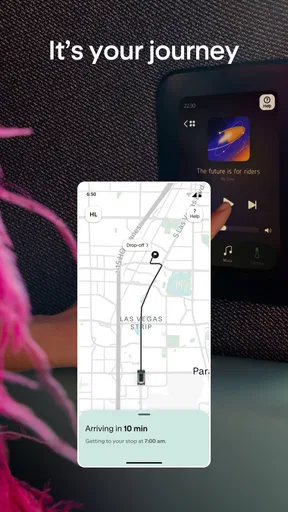
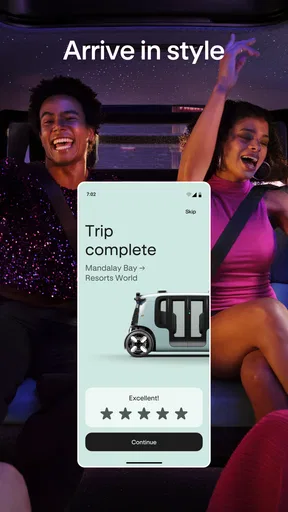
Our Review of Zoox
 Analysis by Appyee
I approached Zoox as a travel companion rather than a conventional taxi app. Its purpose is straightforward: it belongs to the ride-hailing side of Travel & Local apps and is built around robotaxi trips. That sounds simple, but it changes what I expect from the experience. With a normal taxi service, the app mainly connects me with a human driver. Here, the central question is whether the service can make an automated ride feel clear, predictable, and easy to manage from the first tap to the end of the journey.
My overall impression is that this is an interesting choice for people who specifically want to explore Zoox’s robotaxi service, not a universal replacement for every transport app. The application is free to install, is intended for everyone, and comes from Zoox, Inc. Those points make trying it less intimidating, especially for curious passengers who do not want to commit to a subscription or purchase before deciding whether the experience suits them.
What the app is really for
The most important thing to understand is that Zoox is not simply another interface for booking an ordinary car. Its identity is tied to robotaxi ride-hailing. That gives the app a more focused role than broad transport platforms that combine taxis, private cars, scooters, public transit, food delivery, and other services in one place.
I like that focus because it makes the reason to install the app immediately understandable. If my goal is to request a Zoox robotaxi, this is the natural place to begin. I would not open it expecting a complete city transport marketplace or a long list of unrelated travel tools. Its usefulness depends on whether the robotaxi service is relevant to my trip and available for my situation.
That distinction matters before downloading. A person who regularly compares several ride providers, needs a human driver, or wants public transport directions may find a broader travel app more practical. Zoox is more specialized. Its strength is the direct connection to the company’s own robotaxi experience, while its limitation is that specialization can make it less useful when my plans change and I need a different kind of ride.
The app has an average rating of 4.9 from around five thousand ratings, with nearly one thousand written reviews. I see that as a strong sign that many people who have used or evaluated it are satisfied, although a high store rating should not be treated as a promise that every trip will feel identical. Robotaxi services are especially dependent on the local operating context, the pickup environment, and the kind of journey being requested.
Cost is simple at the app level
There is no purchase price for downloading Zoox. It is a free app, so I can install it without paying for access to the application itself. That makes the first step low-risk: I can inspect the experience and decide whether it fits my needs before treating it as part of my regular travel routine.
It is important, though, to separate free app access from the cost of a ride. The fact that the application is free does not mean transportation is free. I would judge the value of each trip separately from the value of installing the software. This is the clearest way to think about the pricing: the digital entry point costs nothing, while the practical value comes from the ride service I am able to use through it.
That distinction also prevents a common misunderstanding. Someone comparing Zoox with another ride-hailing app should not compare download prices, because both may be free to install while the actual journey cost is the meaningful decision. Before confirming a trip, I would pay attention to the fare information shown in the booking flow and compare it with the alternatives available for that particular journey.
How I would use it in an ordinary day
Imagine I am leaving a hotel for a meeting and want a robotaxi rather than a conventional car. I would open the app before walking outside, check the pickup details, and make sure the chosen meeting point is practical rather than merely close on a map. This is one of the small habits that can make a bigger difference than repeatedly checking the screen after requesting a ride.
For a first trip, I would also leave extra time. That is not because the app is necessarily difficult, but because a new type of ride creates unfamiliar steps: identifying the correct vehicle, understanding where to wait, and becoming comfortable with the boarding process. A person rushing to an appointment may prefer the familiarity of a conventional taxi, while someone with a flexible schedule can treat the first Zoox journey as an experiment.
For airport travel or an important appointment, I would keep a backup option in mind. A specialized robotaxi service can be appealing, but travel plans are often less forgiving than a casual local trip. Having another ride-hailing app or a conventional taxi option available is sensible when arriving late would cause a serious problem.
Where the free access delivers real value
The strongest value is not a collection of extra travel tools; it is the chance to access a distinct transport experience without paying for the app in advance. For someone interested in automated mobility, that is meaningful. I can explore the service directly instead of relying only on descriptions or other people’s impressions.
I also appreciate the lower commitment. There is no need to buy a premium app tier simply to find out whether robotaxi travel feels comfortable for me. I can approach it as an occasional option: use it when the destination and timing are suitable, then return to a conventional service when they are not.
Another useful point is clarity of purpose. Broad ride-hailing apps can become crowded with promotions, vehicle categories, delivery options, and unrelated services. Zoox presents a much narrower proposition. For the right user, that can reduce decision fatigue because the app is connected to one recognizable kind of journey rather than a large menu of transport products.
The current version is 26.31.405, and the app requires a minimum operating system version of 12. That requirement is reasonable for people using a relatively recent Android or iOS device, but it is still something I would check before planning around the service. A free download does not help if the phone is too old to install or run it properly.
The app has passed one hundred thousand installs, which suggests that it has reached a meaningful audience while remaining more specialized than the biggest general-purpose ride platforms. I would interpret that as evidence of interest, not as proof that it is available or equally useful everywhere. Its practical value comes from the locations and circumstances in which a Zoox ride can actually be requested.
Small workflow choices that improve the experience
My first practical tip would be to think about the pickup point as part of the trip, not as a minor map detail. A nearby entrance, curb, or designated meeting area may be much easier than a crowded street corner. Before requesting a ride, I would look at the surrounding landmarks and choose a place where I can wait safely and recognize the arriving vehicle.
My second tip is to avoid treating the app as a last-second button for every journey. With any unfamiliar transport format, a little preparation pays off. I would open it before leaving the building, confirm the destination carefully, and keep my phone charged. Those actions are basic, but they reduce the avoidable stress that can make a new service seem harder than it is.
My third insight is about matching the service to the purpose of the trip. Robotaxi travel may be most enjoyable when I have enough time to observe the experience and do not need conversation or assistance from a driver. If I am carrying awkward luggage, traveling with someone who needs hands-on help, or dealing with a complicated pickup, a conventional service may be the better tool even if Zoox is available.
I would also use the app as a deliberate comparison point rather than assuming it must replace everything else. For a short local journey, I could compare its displayed trip information and convenience with a familiar ride-hailing alternative. That gives me a more honest view of value than deciding from the novelty of the first ride alone.
What feels different from ordinary ride-hailing
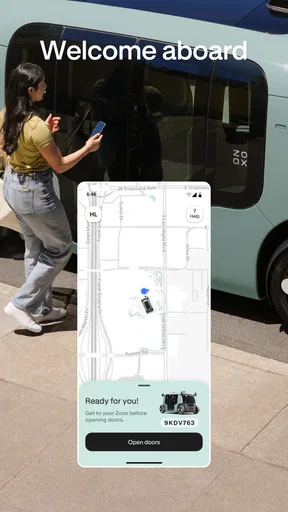
The main difference is the relationship between passenger and vehicle. In a conventional taxi app, I usually think about the driver’s arrival, the driver’s name, and the possibility of communicating directly about the pickup. With Zoox, I would instead pay closer attention to instructions, vehicle identification, and the app’s guidance for entering and completing the ride.
That can be appealing for passengers who prefer a consistent, technology-led experience. It can also feel less reassuring to people who rely on a driver to solve practical problems. For example, if I am unsure where to stand or need help with a bag, the absence of a human driver changes the kind of support I expect. This is not a minor difference; it should influence whether I choose the app for a particular trip.
Compared with public transport apps, Zoox is also more direct but less flexible in another way. A bus or rail planner can help me understand routes, transfers, and lower-cost options across a city. Zoox is about requesting a ride, so it is better when I value a point-to-point journey and less useful when I am planning an entire day around multiple transit choices.
Tradeoffs I would consider before relying on it
The biggest tradeoff is specialization. The app can be a very good fit for robotaxi passengers, but it is not designed to be my only travel tool. If a trip requires a human driver, a vehicle type outside the robotaxi service, or a public transit connection, I would need another option.
There is also a learning curve that does not exist in quite the same way with a normal taxi. Even if the interface is clear, I still need to become comfortable with the physical process around the ride. A first-time passenger may wonder where to wait, how to identify the correct vehicle, or what to do if the surroundings are busy. I would not call that a reason to avoid the app, but I would choose a relaxed first trip rather than testing it under pressure.
Another limitation is that the value of the app is highly situational. A free download is attractive, but it does not automatically make every journey economical or convenient. If a conventional taxi is already nearby, if public transport is much simpler, or if I need a driver’s assistance, the familiar alternative may offer better practical value for that occasion.
Phone compatibility can also affect the decision. Since the app requires operating system version 12 or later, anyone using an older device should check compatibility before depending on it. This is especially important for travelers who may be using an older backup phone while away from home.
I would be cautious about using any new transport format for a trip with no margin for error. Even a well-regarded app cannot remove the uncertainty created by traffic, pickup complexity, unfamiliar surroundings, or a passenger who is still learning the process. For a casual outing, that uncertainty may be acceptable. For a flight, medical appointment, or time-sensitive work commitment, I would prioritize the option I already know well.
Who is most likely to get value
Zoox makes the most sense for curious travelers, technology-minded passengers, and local users who specifically want a robotaxi ride. It is also a good fit for someone who prefers a focused app instead of a crowded super-app and is comfortable handling the trip through a digital workflow.
I can see it being useful for repeat journeys where the pickup and destination are familiar. Once I understand how the service works in my usual area, the lack of a human driver may become less of a concern, and the app can settle into a convenient routine for selected trips.
It may also suit people who want to compare different ways of getting around without paying to install several applications. Because access to the app is free, I can keep it available alongside a conventional ride-hailing service and choose based on the journey rather than committing to one provider for everything.
I would recommend skipping it, at least for now, if I need personal assistance, want to speak with a driver during the trip, depend on a wide range of vehicle choices, or primarily need route planning for buses and trains. A broad travel app or traditional taxi service is better in those situations. The same applies to anyone who dislikes experimenting when schedules are tight.
Answers to the practical questions I would ask
Would I pay to download it? No. The app itself is free, so there is no purchase decision at installation. I would focus my comparison on the cost and suitability of the individual ride instead of treating the download as a financial commitment.
Is it suitable for everyone? The content rating is Everyone, which makes it broadly appropriate from an app-rating perspective. Practical suitability is more personal: passengers should consider whether they are comfortable with a robotaxi format and whether they need assistance that a conventional driver would normally provide.
Can it replace my usual ride-hailing app? I would not make that assumption. It can complement a normal taxi app very well, especially when I specifically want a robotaxi, but a general-purpose service remains more useful for broader transport needs and backup planning.
Should I use it for an important appointment? I would only do so after becoming familiar with the service on a lower-pressure trip. For a first attempt, I would choose a journey with spare time and a clear pickup location. Once I know how the process fits my routine, I can make a more informed decision about higher-stakes travel.
Does the high rating settle the decision? It is encouraging, and the 4.9 average shows strong user approval, but I would still judge the app against my own needs. A highly rated specialized service can be the wrong choice if my trip requires a human driver, public transit planning, or maximum flexibility.
My buy-or-skip verdict
I would install Zoox if I wanted to try robotaxi ride-hailing and had a suitable trip for learning the experience. The free access removes the main barrier to experimentation, while the focused purpose makes it easy to understand what I am getting. I would begin with a straightforward local journey, check the pickup area carefully, and avoid making the first ride part of a schedule with no room for delay.
I would not install it expecting a complete replacement for every travel app. Its value is strongest when the robotaxi service itself is the reason for opening it. For public transport planning, driver-assisted travel, unusual luggage, or urgent journeys, another option may be more practical.
My final view is positive but specific: Zoox is worth trying when you want access to a robotaxi rather than merely another taxi booking screen. The app’s free entry, focused design, strong user rating, and clear identity make it appealing to the right passenger. The tradeoff is that its usefulness depends heavily on the kind of trip I am taking and how comfortable I am with a self-directed ride experience.
For me, that makes it a worthwhile second transport app, and potentially a primary choice for people who regularly prefer Zoox’s automated approach. I would keep a conventional alternative available, learn the pickup routine before relying on it, and judge its value by successful everyday journeys rather than by novelty alone. That is the fairest way to decide whether this specialized Travel & Local app belongs on my phone.
Privacy and Permissions
See what permissions an app requests and how it handles your data.
- Location
- approximate location (network-based), precise location (GPS and network-based)
- Phone
- read phone status and identity
- Photos/Media/Files
- read the contents of your USB storage
- Storage
- read the contents of your USB storage
- Wi-Fi connection information
- view Wi-Fi connections
- Device ID & call information
- read phone status and identity
- Other
- view network connections, expand/collapse status bar, full network access, run at startup, control vibration, prevent device from sleeping, read Google service configuration
Verdict
Strengths of Zoox
- Autonomous rides can offer a convenient alternative to driving in busy areas.
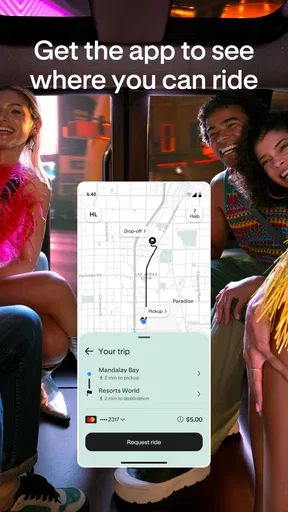
- The app may provide clear pickup details and trip status updates.
- A driverless vehicle can create a consistent, quiet travel experience.
- Useful for passengers who prefer not to handle navigation or parking.
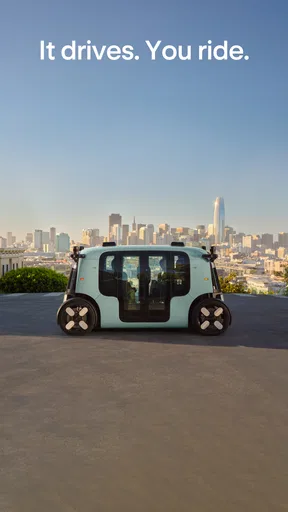
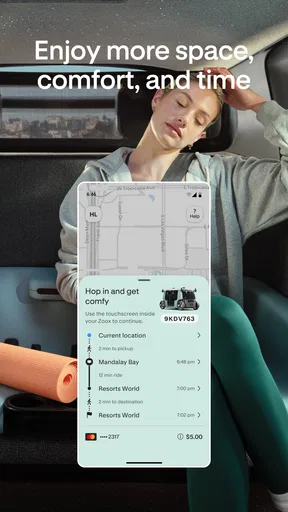
- Zoox’s purpose-built vehicles offer a spacious, face-to-face seating layout.
Limitations of Zoox
- Service availability is limited to selected cities and operating zones.
- Rides may be unavailable during bad weather or technical interruptions.
- Wait times can vary depending on vehicle supply and local demand.
- The app’s usefulness depends heavily on having reliable mobile internet.
- Some riders may feel uncomfortable traveling without a human driver.
Similar Picks in This Category
View All
Google Maps
Google LLC3.4

Google Maps Go
Google LLC4.1

Booking.com: Hotels & Travel
Booking.com Hotels & Vacation Rentals4.8

Google Earth
Google LLC3.8

Skyscanner Flights Hotels Cars
Skyscanner Ltd4.8

trivago: Compare hotel prices
trivago N.V.4.4
Frequently Asked Questions
What is Zoox, and how does the app work?
Zoox is an autonomous ride-hailing service designed to provide transportation without a traditional human driver. Through the app, eligible users can check service availability, request a ride, view pickup details, and follow trip information. The experience is built around Zoox’s purpose-designed vehicles, although availability and features may vary depending on your location and the current service area.
Where is Zoox available, and can anyone use the service?
Zoox availability is limited to selected cities and designated operating areas, so the app may not provide rides everywhere. Before downloading or requesting a trip, check whether your pickup and destination are within the supported zone. Access may also depend on local regulations, service hours, vehicle availability, account eligibility, and whether Zoox has opened its public service in your area.
Is Zoox safe to use compared with a regular rideshare service?
Zoox vehicles are developed with autonomous driving technology, extensive sensors, onboard systems, and safety procedures intended to operate without a conventional driver. However, autonomous transportation is still an evolving service, and no ride is completely risk-free. Users should follow in-vehicle instructions, remain attentive, use seat belts, and contact Zoox support if they experience a safety or service issue.
Does Zoox cost money, and how are rides paid for?
Pricing and payment policies can depend on the city, launch phase, and type of Zoox service available. Some rides or pilot programs may be free, discounted, or invitation-based, while regular trips may involve a fare shown through the app. Review the estimated cost, payment method, cancellation rules, and any applicable charges before confirming a ride, since policies may change over time.
What phone permissions and account information does the Zoox app require?
To request and manage rides, Zoox may need information such as your name, phone number, email address, payment details, and account credentials. Location access is especially important for finding your pickup point and displaying trip progress. The app may also use notifications and internet connectivity. Review the privacy policy and permission settings so you understand how your data is collected and used.
